

Learning to lead differently
In this edition of Freed Spirits, Hopscotch Children's Nurseries CEO, Phil Ford shares how learning to step back transformed his leadership and empowered his team
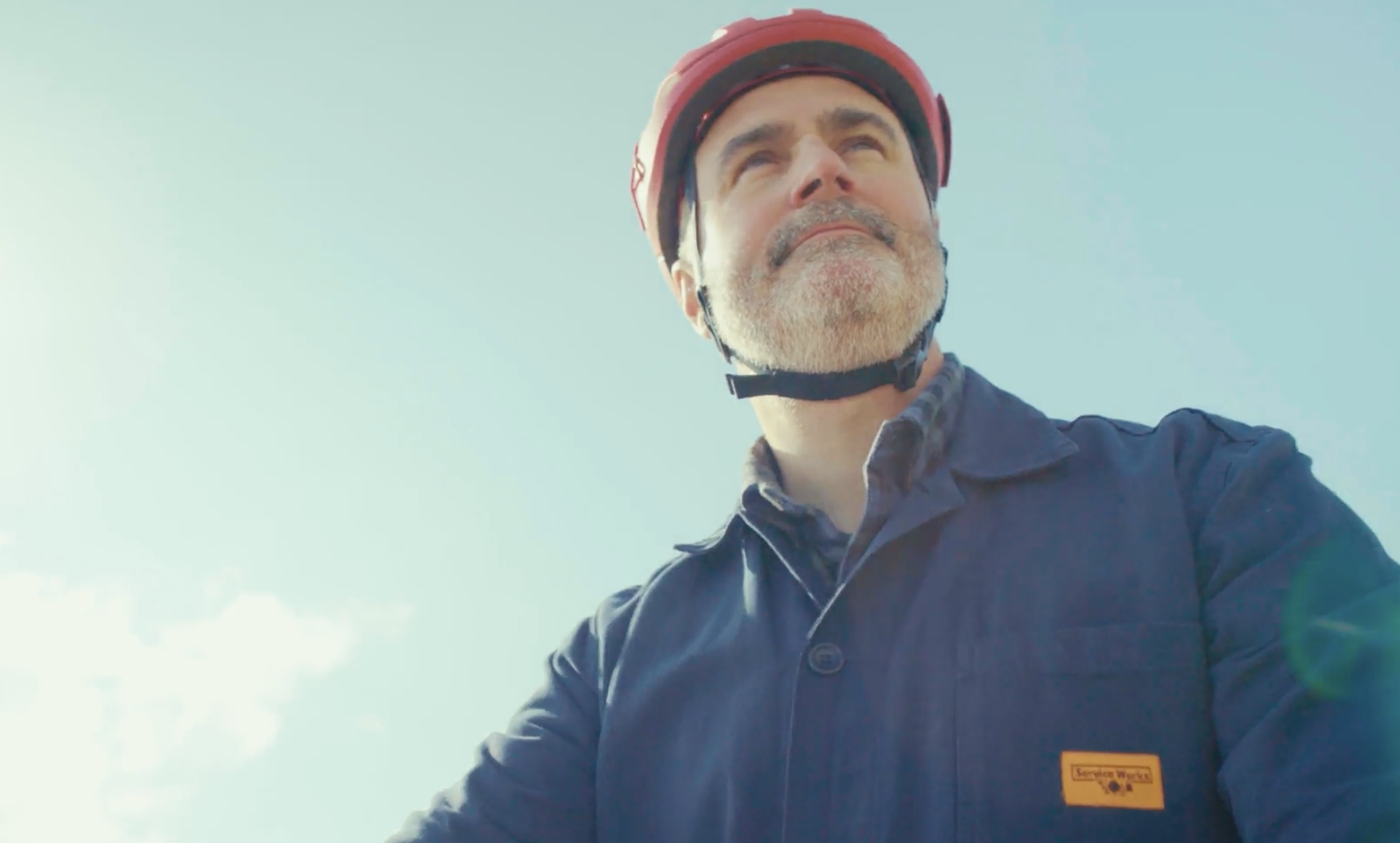


“Putting the time aside and engaging with this process can be really impactful.”
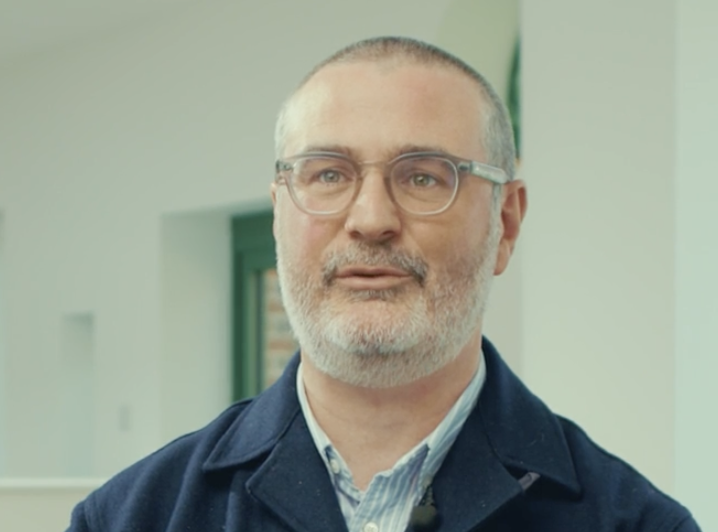
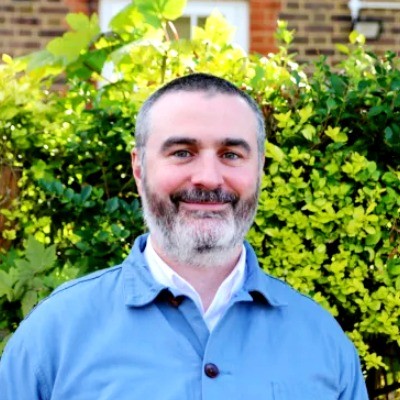
Phil Ford
CEO

Questioning the Leadership Status Quo
Phil Ford was feeling frazzled and stressed. He’d been working a busy job in London and it was time to move on – he decided it was time to head to Brighton and take over the family business. Hopscotch Children’s Nurseries had been founded in 1988 by Phil’s mum, beginning in his childhood home and expanding to support the wider community of Brighton & Hove with seven individual nurseries across the area.
Stepping into his new role as CEO of Hopscotch, Phil was already close to burn-out and asking himself “is this how work has to be? Can work be different? Can leading an organisation look different…? How do I want to show up as a leader?”
Around the same time the COVID pandemic had impacted how the nurseries were run and Phil’s day-to-day life, which was another window of opportunity to reflect and question the path ahead.
Which, lucky for us, led Phil to reach out to us at Pala. Phil didn’t want a stuffy rigid consultant coming in to tell him about the bottom line, so in his search for some external support, Pala stood out to him as being human-centred and a million miles away from a stuffy consultancy.

Phil’s first meeting with Pala took him out of his comfort-zone when it was suggested that they meet for a walk in the countryside for his first coaching session. This had a real impact on Phil, showing him straight off that there are different ways to work (it’s OK to talk and walk – it can still be work). Those early conversations helped Phil to question some of the norms around leadership and start to shape his role and organisation in a way that felt right for him now.
Shifting the System
Phil’s journey with Pala began with some one-to-one coaching, helping Phil to explore more deeply his own leadership style and the changes he wanted to see in himself, his team and his company. Once we’d started to figure this out together, we started on making changes in the wider organisation…
Fewer Lectures, More Collaboration: Reimagining Meetings
One of the first things we did with the Hopscotch team was to start running their Nursery Management Group meetings differently. This can sound like such a simple thing, but some subtle shifts can lead to big changes. There was a significant shift away from lengthy one-dimensional meetings usually led by Phil, to much more collaborative meetings where the content is now crowd-sourced and the sessions facilitated by different members of the team.
Distributing Power: Trusting the Frontline
Decision-making was closely examined, shifting from a decision-making constantly flowing to the top with Phil being the one signing-off on all decisions, to a decentralised decision making process that sits more with individual nursery staff.. This now means that each nursery branch has control and responsibility over shopping, ordering and their budgets, giving them more freedom and autonomy to manage their nursery resources in a way that works best for them. In turn, this gives Phil more freedom to focus on the areas of the business he needs to as he is spending less time making decisions at branch level.
Radical Transparency: Turning Managers into Financial Coaches
There’s been a big shift around Money Management, with individual Nursery Managers now being in charge of their own Profit and Loss Account and how they spend their budget. Each nursery P&L account is now open for each other to see, making it very transparent. Peer-coaching has now begun, with Nursery Managers coaching each other to help manage their money better.
Bridging the Divide: From ‘Us vs. Them’ to One Team
Before embarking on this work with Pala, there was an ‘us and them’ separation between the nurseries and central office. A lot has changed since then, with a move to sharing information more transparently through open channels like MS Teams and having shared central documents that everyone can see. There’s more dialogue between the Central Office and the Nurseries, with feedback being systematically asked from Central Office and the teams sharing what needs to change, with suggestions about how to change it.
Coaching Over Command: Unlocking Potential
There has also been a significant investment in learning how to coach, rather than manage. Senior leaders within the nurseries and central office have learnt how to listen, ask questions and facilitate team members to encourage personal growth and internal learning. This has led to team members taking more responsibility, making more decisions and reducing the bottle-necks.
Free Autonomy Snapshot [BETA]
Are you ‘Stuck In The Weeds’? Find out with this test and more importantly, find out the team dynamics that might be at play.
Take the free testThe Impact
At the time of writing, we’re moving into our third year of collaboration between Pala, Phil and the Hopscotch Nurseries teams. So what’s been the big changes?
Impact on Phil: From Burnout to Bandwidth
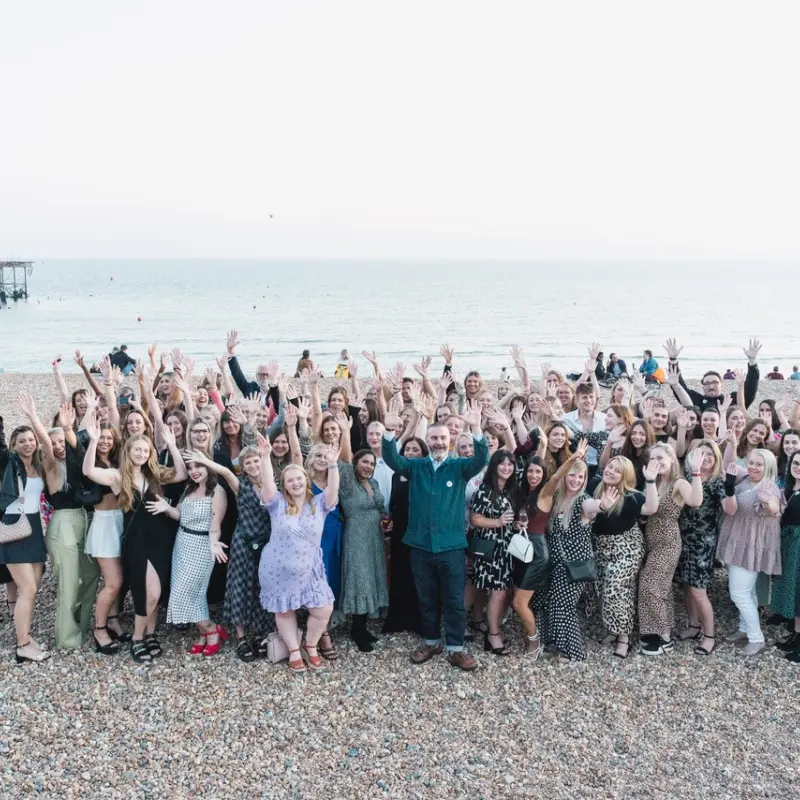
- Fewer Interruptions, Higher Impact: Phil’s phone rings far less now that his team is empowered to make independent decisions using systems implemented with Pala. Calling the shift “refreshing and reassuring,” Phil now has the mental bandwidth to focus on providing meaningful support when it’s truly needed.
- Reduced stress levels: giving himself permission to take time out where he needs it and not having to be visible all the time (visibility does not equate to being a good leader). Instead choosing to go for a bike ride, walking the dog and really importantly being there to spend more time with his young children.
- More time for strategic thinking: rather than firefight, Phil now has time to ask himself “what’s going to make me a better leader right now?”. He has space to take the time needed to give him a fresher, better perspective, being more able to solve problems and to be the leader he wants to be.
- Higher levels of trust: where Phil has learnt to step-back from the day-to-day management of team tasks, he’s seen his team grow and step into leading their own work, which has lead to deeper levels of trust between him and his team.
Impact on the Business: Innovation, Autonomy, and Trust
- Bigger output and less waste thanks to decentralisation: Nursery teams now make a large percentage of their decisions themselves without needing head office. This saves time for everybody and means that each local nursery can make the right decisions at speed so that children and parents get a better service. It’s more effective, more efficient and more engaging for everybody.
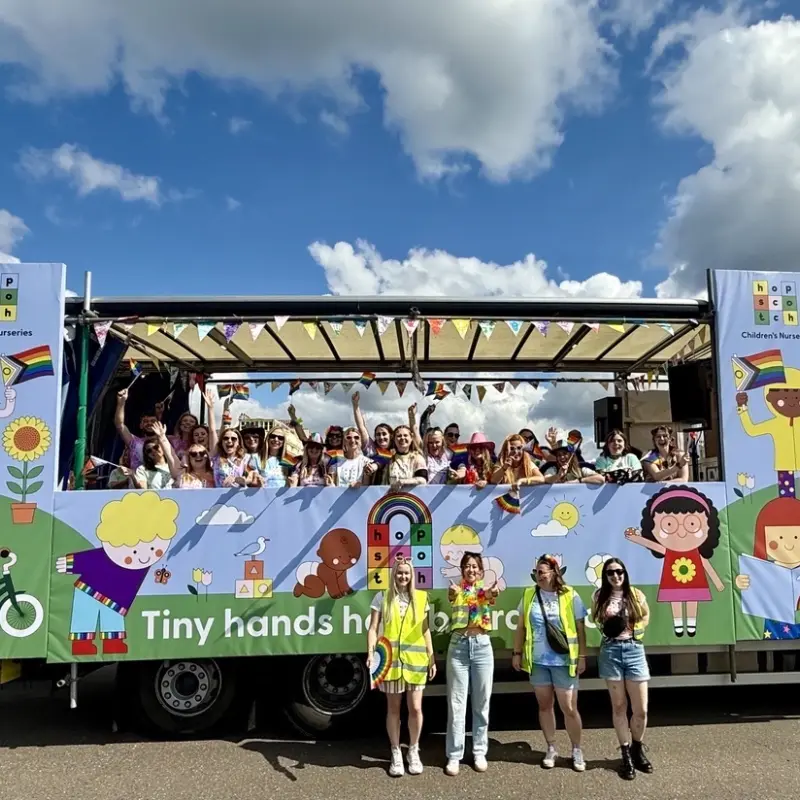
- More space for innovation and creativity: Where members of the teams have found to have more time and responsibility, Phil has observed that that’s “where the magic happens”…the team have had space to be creative and brought new and exciting ideas, like having a float in the Brighton Pride Parade or one nursery using their budget flexibility to start running wood-work sessions for the children
- A competitive advantage in terms of recruitment: With the new ways of working at Hopscotch Nurseries, they have found that they’re recruiting higher quality employees and the levels of retention have increased
- Us v Them culture has gone: as discussed above, previously there had been an ‘Us v them’ dynamic between individual nursery branches and the central office at Hopscotch, which has now dissolved. There is greater connection between the two, with higher levels of transparency and communication
Where We Go From Here
Transforming how an organisation works isn’t about applying a quick-fix framework or following a rigid playbook. As Phil’s journey shows, it starts with a simple, brave question: Can work look different?
By letting go of traditional control, trusting his team, and stepping away from the daily noise, Phil hasn’t just built a healthier, more resilient business—he’s created a place where people genuinely thrive (and freed up time for a few more dog walks and bike rides along the way).
As we move into our third year of partnership with Hopscotch, we’re continually reminded that real organisational change happens when we put people, trust, and human connections first.
Feeling frazzled by traditional ways of leading? Whether you’re feeling close to burnout or simply curious about how your organisation could run with more trust and less friction, we’d love to chat. Grab your walking shoes and drop us a line—let’s explore what work could look like for you.
Book your free discovery call
Feeling stuck? Want to talk through your situation? Not sure what’s next?
Ready to talk?
A note from Pala
Working with Phil and Hopscotch has been lovely.
Working in an organisation for whom 90% of the team are front line workers, using very little technology has been refreshing for us.
We’ve found that although it’s a different business, the humans are the same: trust & autonomy are fundamental human needs and the secret to a great team.
The team at Hopscotch has grown so much over the last few years and it’s been lovely to start their journey with them. Having individual nursery branches with a central office fits self-management so well because they can try things in different locations, learn and scale. Phil and the team have made huge strides in shifting their culture and children and parents will be experiencing the benefits of that.
“I’m really glad Phil happened to come across Pala’s website because the difference over the last three years has been huge.”
Hopscotch Nursery Team Member
Hopscotch is a proudly independent, family-run business, providing exceptional childcare to families across Brighton, Hove, Worthing, Peacehaven, and Seaford.
Hopscotch’s mission is simple: to unlock every child’s potential and help them grow into confident, capable, and happy individuals. We take a holistic approach to early education – nurturing academic, social, and emotional development so every Hopscotcher is ready for school and for life.